

Uinta Ice Co
Residential and light commercial ice machine cleaning
Get Your Utah Ice Machine Making Clean Ice Again
Professional descaling, deep cleaning, and sanitizing for Scotsman, Sub-Zero, U-Line, and most other undercounter ice machines. We just need an hour of your ice time.
Homes across Utah County and Salt Lake County, plus light commercial machines in offices, showrooms, and breakrooms.
One of These Is Why You’re Here
You didn’t search for ice machine cleaning. You searched for whatever your machine is doing.
- The ice tastes like the inside of the freezer smells.
- There’s a dark film in the bottom of the bin. You wipe it out and it comes back.
- It’s making half the ice it used to, and you’ve started buying bags again.
- The cubes come out hollow, soft, or fused together in a sheet.
- The clean light came on a while ago and you’ve been ignoring it.
- Something smells musty when you open the door.
None of that means the machine is finished. Almost every time, it’s what’s built up inside it.
What’s Actually Happening Inside Your Ice Machine
Two things build up in a residential ice machine, and they cause different problems. Mineral scale coats the surfaces that freeze water, which cuts production. Biofilm grows in the reservoir and bin, which affects how your ice tastes and smells.
Here’s the path water takes. A pump pulls water from the reservoir at the bottom of the machine and sends it up through the water distribution tubes, which spread it across the evaporator, the cold metal surface where ice actually forms. Water that doesn’t freeze drains back down to the reservoir and gets pumped through again. Then the ice releases into the bin.
Every pass leaves minerals behind. Calcium and magnesium bond to the evaporator plate, to the inside of the distribution tubes, and to the pump. That layer is scale, and it insulates. The machine has to run longer and colder to freeze the same amount of water. Production drops first. Then the ice starts coming out hollow or misshapen, because the water is no longer spreading evenly across a clean surface. Eventually the pump or the evaporator gives out.
The reservoir has the opposite problem. It’s dark, wet, and almost never inspected, which makes it a good place for biofilm, the slick layer that bacteria and mold form on wet surfaces. Cold slows biofilm down. It doesn’t stop it. Once it’s established in the reservoir, every batch of ice is made from water that passed through it.
If you’ve ever pulled the bin out and noticed a grey, pink, or black film along the bottom of the reservoir, or a surface that felt slick instead of smooth, that’s biofilm. No rinse cycle removes it.
Why Utah Water Is Harder on Ice Machines Than Almost Anywhere Else
Utah water carries enough dissolved calcium and magnesium to scale a machine faster than the manufacturer’s cleaning interval assumes. Water above 180 mg/L of hardness is classified as very hard by the U.S. Geological Survey. Most of the Wasatch Front sits well above that line.
Mountain Regional Water, the Summit County district that supplies much of the Park City area, publishes its hardness at roughly 300 mg/L as calcium carbonate, about 17.5 grains per gallon. On the Salt Lake side, Herriman City reports that water from the Jordan Valley Water Conservancy District generally runs 12 to 15 grains per gallon, and South Jordan lists its Jordan Valley supply at 7 to 10 grains per gallon. Anything above 10.5 grains per gallon is very hard.
It also moves through the year. Salt Lake City’s Department of Public Utilities gets most of its water from Wasatch canyon streams, then supplements with deep valley wells during high-demand summer months, and says plainly that the well water is harder. Your machine’s summer is not the same as its winter.
Manufacturers typically call for descaling every three to six months. That range assumes average water. Utah is at the hard end of it, which is why we service most homes here at least every six months, with some clients needing quarterly cleanings. If that’s the case for you, we’ll let you know.
What It Costs to Leave It
A built-in undercounter ice machine is a four-figure appliance. Replacing one means the unit, the install, and a cabinet opening that was built around that specific model, which narrows what you can put back in it.
Scale doesn’t announce itself. The machine keeps running while the evaporator works harder and the pump pushes against a narrowing path, and by the time production drops enough to notice, the buildup has been there a long time. The failures that follow are mechanical and expensive.
Then there’s the warranty. Manufacturer warranties on residential ice machines commonly exclude damage caused by lack of maintenance or by mineral buildup. If a pump fails on a machine that’s never been descaled, that’s a conversation you don’t want to have with a warranty department.
The machine is already yours. Keeping it running is cheaper than replacing it, by a wide margin.
What Happens When We Clean Your Machine
About an hour, start to finish. We bring everything. There is nothing for you to buy, move, or prepare.
- We arrive and open the machine. Power down, and a look at what condition it’s actually in before anything gets touched.
- We remove every removable component. Bin, reservoir, water distribution parts, pump components. The parts that hold buildup are the parts that don’t come out on their own.
- We run a nickel-safe descale cycle. This is the part most people get wrong. Many household descalers and general-purpose acids will strip the nickel plating off an evaporator plate, and that damage is permanent. We use a universal nickel-safe descaler, because the wrong chemical turns a maintenance visit into a replacement.
- We deep clean the reservoir and bin by hand. Biofilm doesn’t come off in a rinse cycle. It has to be broken down and physically removed.
- We sanitize every surface your ice touches. Food-contact sanitizer, applied to the evaporator, the tubes, the reservoir, and the bin.
- We reassemble and run it. We stay until it’s cycling and making ice correctly.
- We send you the breakdown. An email with before-and-after photos, the condition of the evaporator, how much buildup came out, and anything that looked mechanical. Six months is the standard interval for Utah, and we schedule the next visit so you don’t have to track it.
We work clean, we take our mess with us, and we’re out of your kitchen.
Why Homeowners Call Us
We’ve been cleaning residential ice machines in Utah since 2022. We’re licensed and insured. And if you’re not satisfied with the cleaning, we come back and do it again at no charge.
Do We Service Your Machine?
Brands. Scotsman, Sub-Zero, U-Line, KitchenAid, GE Profile, and GE Monogram are what we see most often. We service most other residential makes as well, so call if yours isn’t listed. Brand-specific cleaning notes for each machine.
Machine types. Undercounter and built-in residential ice machines producing nugget, pebble, gourmet, clear, and crescent ice.
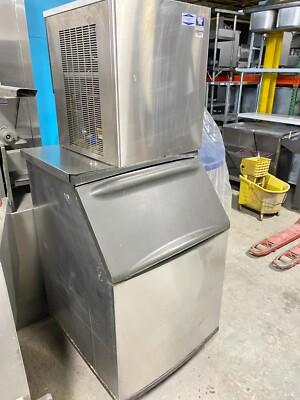
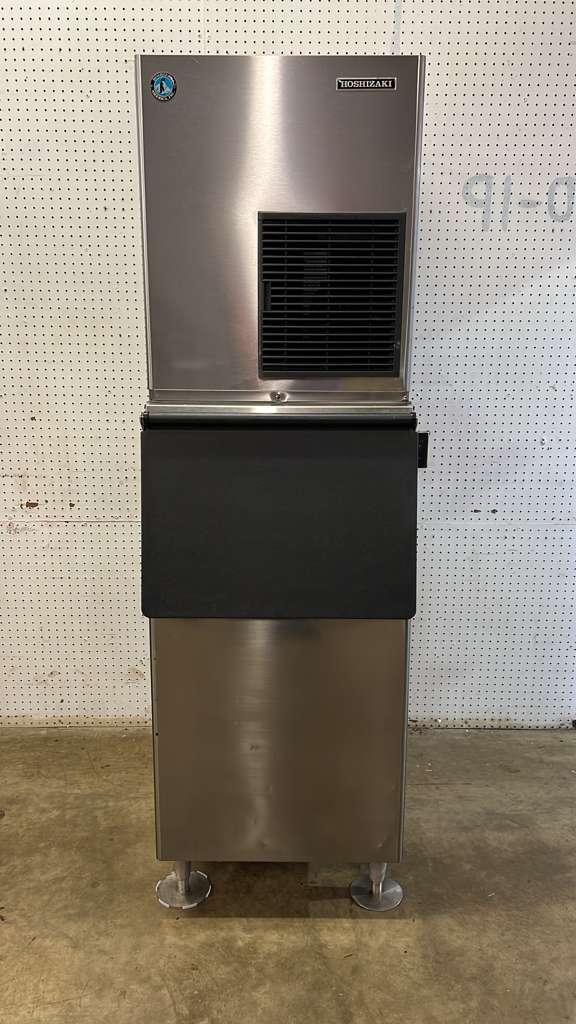
Light commercial. Offices, retail showrooms, and small business breakrooms. Same descale, deep clean, and sanitize, on a larger machine with more components. Those visits run about an hour and a half. Residential and commercial pricing.
Where we work. Based in Lehi, serving a 75-mile radius across Utah County and Salt Lake County, including Alpine, Highland, Salt Lake City, Holladay, Park City, Heber City, Draper, and Sandy. The full list of cities we serve.
Not sure what’s wrong yet? What each symptom means, and what to check first.
Questions People Ask Before They Book
Do you have to pull the machine out of the cabinet?
Usually not. Most of the work happens through the front of the unit. If yours needs to come out, we’ll tell you before we start.
How long does it take?
About an hour, depending on the machine and how long it’s been.
Do I need to be home?
No, but we have to be able to get into the house to do the work — how you arrange that is up to you. We remind you several times in the week leading up to the visit, so it won't sneak up on you. If we still show up and can't get in, there's a $50 rescheduling fee. When the visit is done, you get an email with before-and-after photos, our notes, and the receipt.
My machine is still under warranty. Does this affect it?
No. Professional descaling and sanitizing is maintenance the manufacturer recommends. It’s the absence of it that causes warranty problems.
What if it still isn’t making ice after you clean it?
Then it’s a mechanical or electrical fault, not buildup, and we’ll tell you that plainly. We don’t do appliance repair, so we have no reason to sell you one.
Do you repair ice machines too?
No. We clean them. That’s the entire business.
What do you use? Is it safe around food?
A universal nickel-safe descaler for the mineral buildup, and a food-contact sanitizer for every surface the ice touches. Nickel-safe matters more than most homeowners realize, because the wrong descaler permanently damages an evaporator plate.
How often does it actually need this?
Every six months for most Utah homes, so it’s a recurring service. You sign a short agreement, we come back on that schedule at the same flat rate, and we handle the scheduling. Heavy use or unusually hard water can mean sooner, and we’ll tell you which category yours is in after we’ve seen inside it.
Do you come out to Park City and Heber?
Yes. We’re based in Lehi and serve a 75-mile radius. See whether you’re in our service area.
What if I’m not happy with the job?
We come back and clean it again at no charge.
What It Costs
Two tiers, priced to the work. Each block below states what the visit covers before it states the number.
Residential
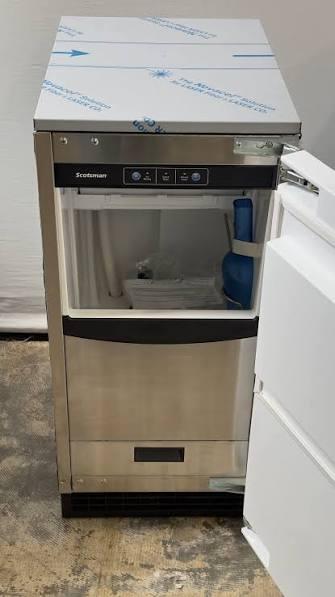
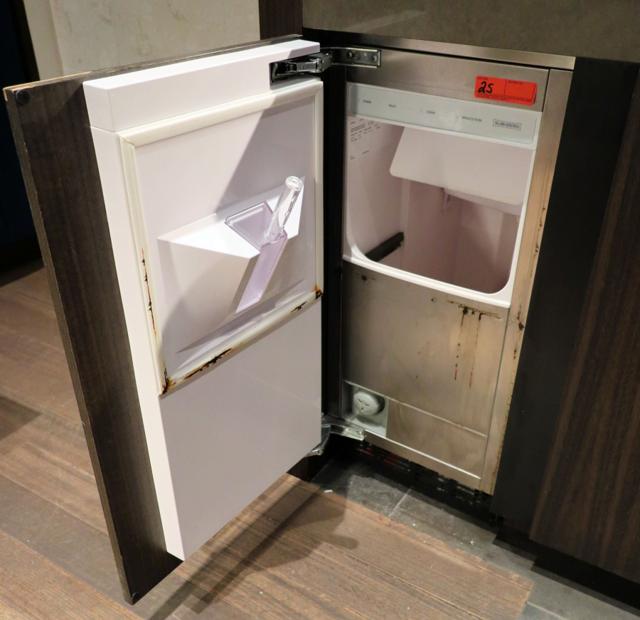
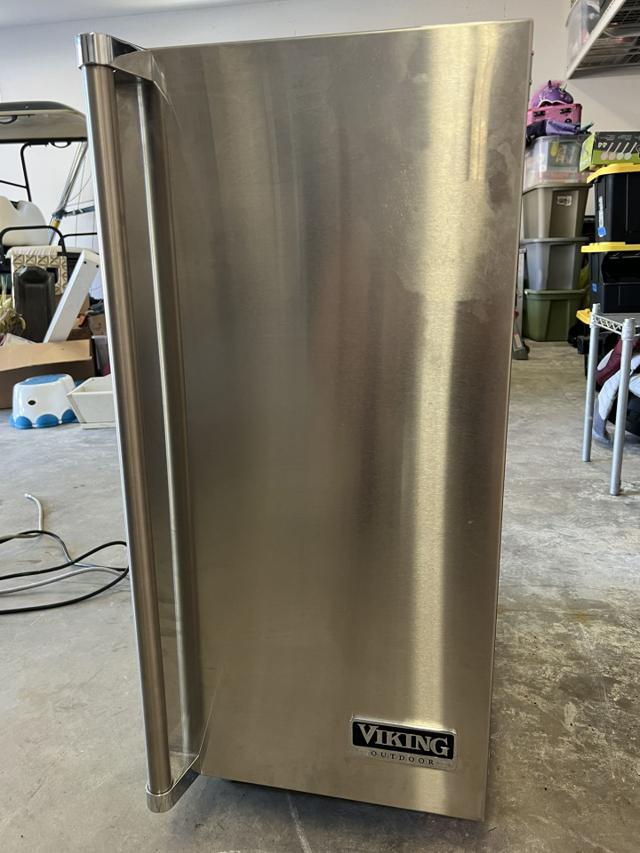
Full teardown of removable components, nickel-safe descale, reservoir and bin deep cleaned by hand, food-contact sanitize, reassembly and test, and an email breakdown afterward with before-and-after photos, our notes, and the receipt. All supplies included. About an hour in your kitchen.
$150per visit
Two visits a year, on a machine that cost four figures to install.
Light commercial
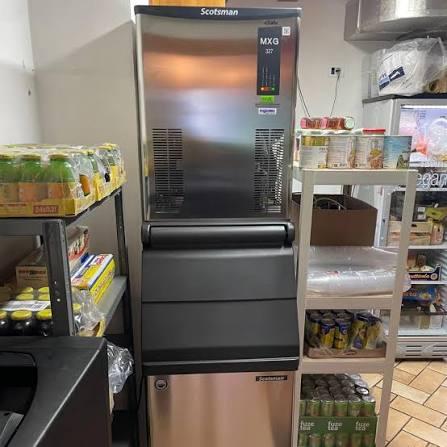
A larger machine with more components. More parts to disassemble, clean, and reassemble, which is why the visit runs about an hour and a half rather than an hour. Same nickel-safe descale, hand cleaning, and food-contact sanitizing, across more surface area. All supplies included. Offices, retail showrooms, and small business breakrooms.
$300per visit
Two visits a year, on a machine your business runs on every day.
Both are flat rates. Not starting prices, not estimates, and not quotes that change when we open the machine. Both run on the same six-month schedule — you sign a short agreement, we handle the scheduling, and you can stop any time.
Our Guarantee
If you’re not satisfied with the cleaning, we come back and clean it again at no charge.
Call or text (801) 796-2675
About Uinta Ice Co.
Uinta Ice Co. is an ice machine cleaning service based in Lehi, Utah. We descale, deep clean, and sanitize undercounter and built-in ice machines on site, for homes across Utah County and Salt Lake County and for light commercial accounts including offices, retail showrooms, and small business breakrooms, within a 75-mile service radius. We have served Utah since 2022 and we are licensed and insured.
We service Scotsman, Sub-Zero, U-Line, KitchenAid, GE Profile, and GE Monogram machines producing nugget, pebble, gourmet, clear, and crescent ice, along with most other residential makes. Our standard service interval is every six months, which reflects the hardness of Utah water relative to the three-to-six-month range manufacturers typically recommend.
A residential visit takes about one hour. A light commercial visit takes about an hour and a half, because the units are larger and have more components to disassemble and clean. All supplies are included in both. Call or text (801) 796-2675. Email max@uintaice.com.